Carbonara: The Original Recipe (and Why Cream Is Heresy)
Four ingredients, two pans, one of the most argued-about dishes on earth. Here is how to make it properly.

Carbonara is the most argued-about dish in Italy, which is saying something in a country where two neighbors can have a feud over the proper shape of a tortellino. The argument is partly about ingredients (does it have cream? — no), partly about technique (how do you avoid scrambling the egg? — patience), and partly about identity. Carbonara is Roman the way the Colosseum is Roman: it belongs to the city, the city defends it, and tourists are forever trying to put cream in it.
Where it came from (probably)
The most reliable origin story for carbonara is also the least romantic. The dish does not appear in any cookbook before World War II. The first printed recipe is from 1952, in a guide to Italian restaurants written for the American magazine Habits & Hotels. The most likely birth: 1944, in liberated Rome, when American GIs poured into the city carrying ration packs of powdered eggs and bacon, and the Roman trattorias started combining those imports with what they already had — pecorino, pepper, and pasta. The 'carbonaro' (charcoal worker) origin story is poetic and probably invented later. Almost every Italian dish has a peasant origin myth attached to it, mostly written by men in suits in the 1960s.
None of which makes carbonara less Roman. It only makes it younger and more interesting than its defenders pretend. Carbonara is the edible memory of an American army eating Italian, an Italian city feeding an American army, and a 75-year-old conversation about what 'authentic' means. It is, in other words, a pasta dish about cultural exchange. Putting cream in it is not a sin against tradition; it is a misreading of the recipe.
The four ingredients
- Guanciale — cured, unsmoked pork jowl. Fattier and more aromatic than pancetta, and much more aromatic than bacon. Accept no substitute if you can help it; if you cannot, use pancetta (acceptable) before you use bacon (it works but adds smoke that nobody asked for).
- Pecorino Romano — sharp, salty sheep's-milk cheese. Not parmigiano. Parmigiano is for the bolognese north; pecorino is for Rome.
- Eggs — whole eggs and extra yolks. Roughly one whole egg plus one yolk per two people, with another extra yolk for richness. They must be fresh and at room temperature.
- Black pepper — freshly cracked, generously. Pre-ground pepper is dust. Carbonara without aggressive pepper is just pasta and eggs.
That is the list. There is no garlic in carbonara. There is no onion in carbonara. There is no parsley in carbonara. There is, especially, no cream. Cream is added by people who do not trust the eggs to do their job, and the eggs always do their job if you give them a chance.
The shape
Spaghetti or tonnarelli (also called spaghetti alla chitarra) are the Roman choice. Rigatoni is also defensible — the ridges grab the sauce, the tubes hold pockets of guanciale. Bucatini, the hollow spaghetti, divides Romans into two camps. Linguine is wrong but not a crime. Penne is, with respect, a tourist menu compromise. Use what you can find, but lean toward something long and round.
The method, slowly
Step one: render the guanciale. Cut it into thick batons — about half a centimeter — and put it in a cold dry pan. Turn the heat to medium-low. Cold pan plus low heat plus time equals translucent fat and crisp edges. Do not rush this. If you start with a hot pan you will get burnt skin and raw fat, the worst of both worlds. When the fat has rendered and the meat is mahogany and crackling at the edges, turn off the heat. Leave the fat in the pan. The fat is half the sauce.
Step two: make the egg cream. In a wide bowl, whisk the eggs and yolks with a heroic amount of cracked black pepper and a generous handful of grated pecorino. The mixture should be the texture of double cream, thick enough to coat the back of a spoon. Set this aside, off the heat.
Step three: cook the pasta in well-salted water, one minute under al dente. While it cooks, scoop out a full cup of starchy pasta water. This is your insurance policy. Drain the pasta and tip it directly into the pan with the warm (not hot) guanciale fat. Toss for fifteen seconds so every strand is coated in pork-flavored gloss.
Step four — the only step that matters — temper the eggs. Take the pan off the heat completely. Pour a splash of pasta water into the egg mixture, whisking constantly. This warms the eggs without cooking them. Now pour the egg mixture over the pasta in the pan, tossing furiously with tongs in one hand and the pan in the other. Add more pasta water, a splash at a time, until the sauce becomes glossy, silken, and clings to every strand. If you see scrambled bits, your pan was too hot. Start again. The line between custard and scramble is a few degrees and a few seconds; this is the entire skill of the dish.
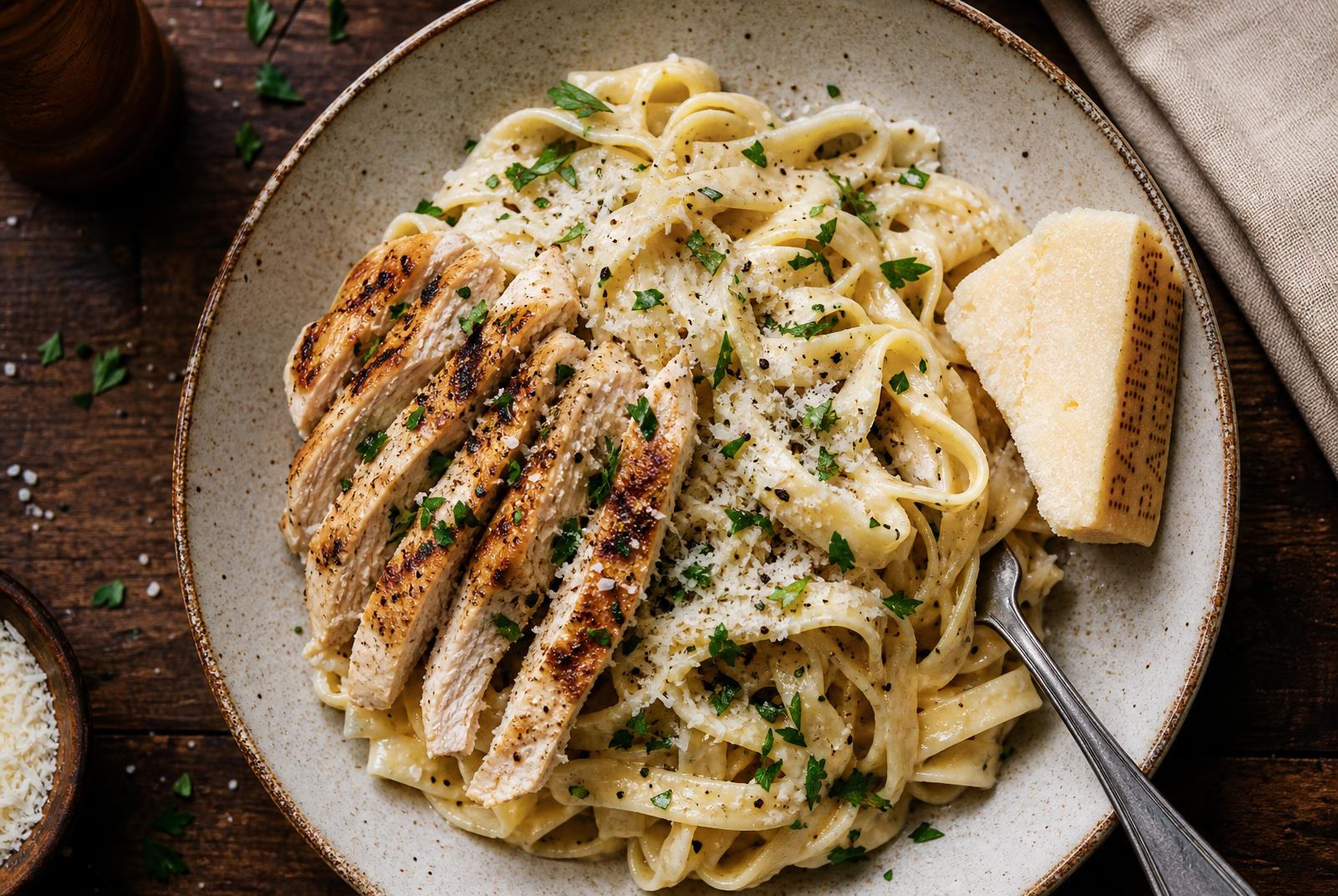
Step five: plate immediately, shower with more pecorino and more pepper, and eat in silence for the first three bites. A real carbonara at the right temperature should look like wet silk with crisp pork shrapnel and yellow light.
Common failure modes
- Scrambled eggs in the bowl: pan was too hot when you added the eggs. Always take it off the heat first, and use the residual warmth of the pan plus the pasta to cook the eggs gently.
- Dry, claggy sauce: not enough pasta water. The sauce should look saucier than you think it should — it tightens in seconds as the eggs set.
- Bland: not enough pecorino, not enough pepper, not enough salt in the pasta water. Carbonara is a bold dish; do not whisper it.
- Greasy: too much rendered fat left in the pan, or the guanciale was not crisped enough. If your pan is swimming, pour some off before adding the pasta.
The deeper point
Carbonara is a four-ingredient dish that takes most cooks three or four tries to get right. That is not a flaw. That is the whole point. The pleasure of carbonara is the pleasure of doing something simple with attention — heating eggs to exactly the right temperature with no instrument but your wrist, balancing salt and fat and pepper and starch in a pan you cannot put back on the heat. When it works, you can taste the discipline. When it doesn't, you laugh and try again next week.
This is true of most great cooking, but it is especially true of Roman cooking, which is built on four-ingredient miracles. Carbonara, cacio e pepe, gricia, amatriciana — they are all variations on the same theme: pasta, fat, sheep cheese, pepper, with one element added or subtracted. They teach you that good food is not a matter of long ingredient lists. It is a matter of caring, intensely, about three or four things at once. Master that, and you don't just cook better pasta. You cook better, full stop.