The Science of Al Dente (and Why Your Pasta Is Probably Overcooked)
Starch gelatinization, gluten windows, and the 60-second margin that separates dinner from porridge.

Al dente is the most quoted and least understood phrase in Italian cooking. It translates, lazily, as 'to the tooth.' What it actually describes is a physical state — a precise, measurable, beautifully narrow window in the life of a noodle, in which the starch has gelatinized just enough to be tender, but not so much that the gluten matrix has collapsed into mush. It lasts, in most pasta, somewhere between 30 and 90 seconds. Miss it, and you have made starch soup. Hit it, and the entire dinner reorganizes itself around your plate.
What happens in the pot, second by second
Dry pasta is a brick of two things: starch granules and a protein scaffold made of gluten. When the pasta hits boiling water (and it must be boiling — 100°C / 212°F at sea level, no lower), three processes start at once. The protein scaffold absorbs water and softens. The starch granules absorb water and swell. And the outer layer begins releasing dissolved starch into the cooking water, which is why your pasta water turns cloudy and why it is the most valuable liquid in your kitchen.
For the first three or four minutes, almost nothing eatable is happening. The interior of the noodle is still chalky, white, raw. Then, around the four-minute mark for most dried pasta, the swelling starch reaches a temperature called the gelatinization point — roughly 65–70°C deep inside the strand. At that moment, the starch granules rupture and release their contents, the strand turns translucent from the outside in, and what was a brick becomes food. Al dente is the moment when this gelatinization has reached the very center of the noodle but the gluten matrix has not yet started to dissolve. There is, in a perfectly cooked piece of spaghetti, a hair-thin pale line down the middle — sometimes called l'anima, 'the soul' — that signals the structure is still intact.
The 60-second margin
Past al dente, the gluten begins to surrender. The strand goes from springy to flabby in less than a minute. This is why the difference between a good cook and a great cook is, almost literally, sixty seconds. The great cook is standing at the pot with a fork at minute seven, tasting. The good cook is watching a timer in another room.
- Start tasting two minutes before the box time. Box times are written for the cautious — they assume you will then drown your pasta in cold tap water, which you should never do.
- Pull pasta one full minute before it reaches your ideal texture. It will finish cooking in the sauce — this is non-negotiable.
- When you bite a strand, you want resistance at the center but no chalkiness. Chalk = raw. Slack = overcooked. Spring = al dente.
Salt: not optional, not delicate
Pasta water should taste like the Mediterranean — about 7 to 10 grams of salt per liter, which is roughly a heaped tablespoon of kosher salt per gallon. Less than this and the pasta itself, the actual noodle, will be bland forever; no sauce can save it. Salt is the only seasoning that penetrates the strand during cooking. Salt the water once it boils (it dissolves faster) and salt it generously. You are not drinking the water. Most of it goes down the drain.
And no — salt does not significantly raise the boiling temperature of water at culinary concentrations. The old wives' tale that salt 'makes water hotter' is a rounding error of less than half a degree. Salt is for flavor, not physics.
Oil in the water is a crime
Pouring olive oil into your pasta water 'so the noodles don't stick' is one of the most persistent and most pointless rituals in home cooking. Oil floats. It does not coat the pasta in the pot. What it does do is coat the pasta when you drain it, creating a slick, hydrophobic surface that repels sauce. You will then spend the rest of the meal wondering why your beautiful ragù keeps sliding off the noodles into a sad puddle at the bottom of the bowl.
Pasta does not stick if you (a) use enough water — at least 4 liters per 500g of pasta — and (b) stir it within the first 60 seconds, when the starch is sticky. After that, it floats free. Save your olive oil for the finish, where it belongs.
The pasta water is the sauce
Here is the single most useful sentence in this entire essay. Before you drain your pasta, scoop out a mugful of cooking water. That cloudy, salted, starchy liquid is liquid gold. When you toss the pasta into the pan with the sauce, add a splash at a time. The dissolved starch acts as an emulsifier — it binds the fat (olive oil, butter, rendered guanciale) to the water in the sauce, creating a glossy, clinging coat that will not break. This is the secret behind every restaurant plate of pasta that looks suspiciously better than yours. It is not the noodles. It is the water.
Finishing in the pan: the mantecatura
Italians call the final step la mantecatura — the marriage of pasta and sauce in the pan, off the heat or on very low, with vigorous tossing and a generous spoonful of pasta water. This is not optional. This is the cooking. The minute before mantecatura is the minute when al dente becomes finished pasta, when the noodle drinks the sauce, when fat and water and starch agree to be one thing. Skip it, and you are not eating pasta; you are eating noodles wearing sauce.
Why fresh pasta plays by different rules
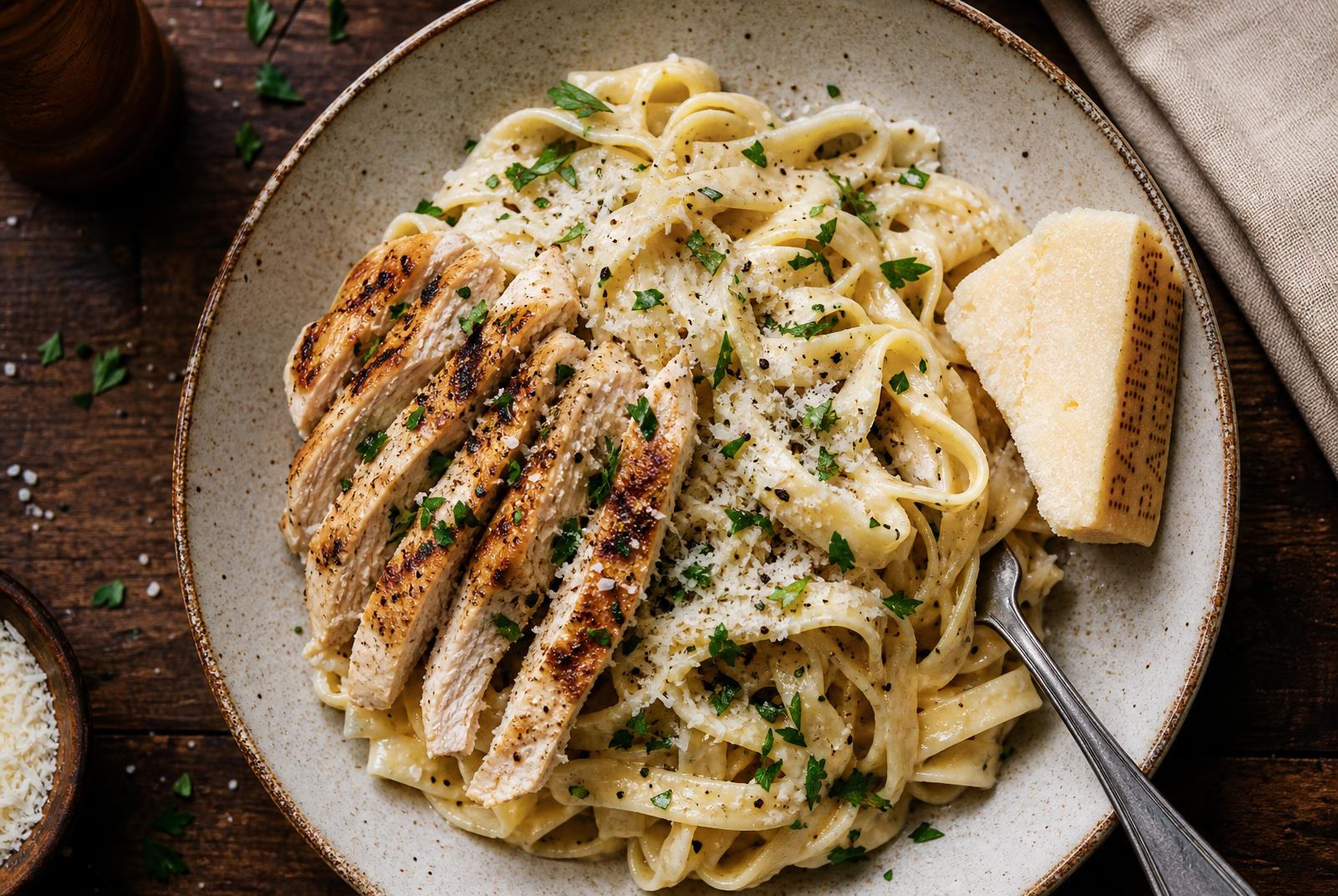
Fresh egg pasta — tagliatelle, pappardelle, ravioli — is not really 'al dente' food. It is meant to be tender, almost silken, with a faint bite from the egg-enriched gluten. Cooking time is brutally short: 90 seconds to 3 minutes, often less. The window is even narrower, but the texture you are aiming for is different. Do not chase a chalky core in fresh pasta. You are looking for elasticity, not resistance.
Dried pasta is a Sicilian and southern invention, built for hard durum wheat and long sea voyages. Fresh pasta is a northern, Emilia-Romagna tradition, built for soft wheat, eggs, and a kitchen ten meters from the table. They are different foods. Cook them differently.
The honest test
If you take nothing else from this piece, take this: stand at the pot. Taste it. Then taste it again 45 seconds later. You will feel the difference under your teeth before you can explain it in words. That feeling — that slight push-back, that suggestion of structure, that whisper of resistance — is al dente. Once you have felt it, you will never accept overcooked pasta again. You will become, in a small but real way, a more demanding eater and a happier cook. And you will join a club, four thousand years old, of people who knew that dinner is mostly a matter of attention.