What Is Nduja? The Definitive Guide to Calabria's Spreadable Salami
Everything you need to know about 'nduja: what it is, where it comes from, how to cook with it, how to store it, and why it deserves a permanent spot in your pantry.
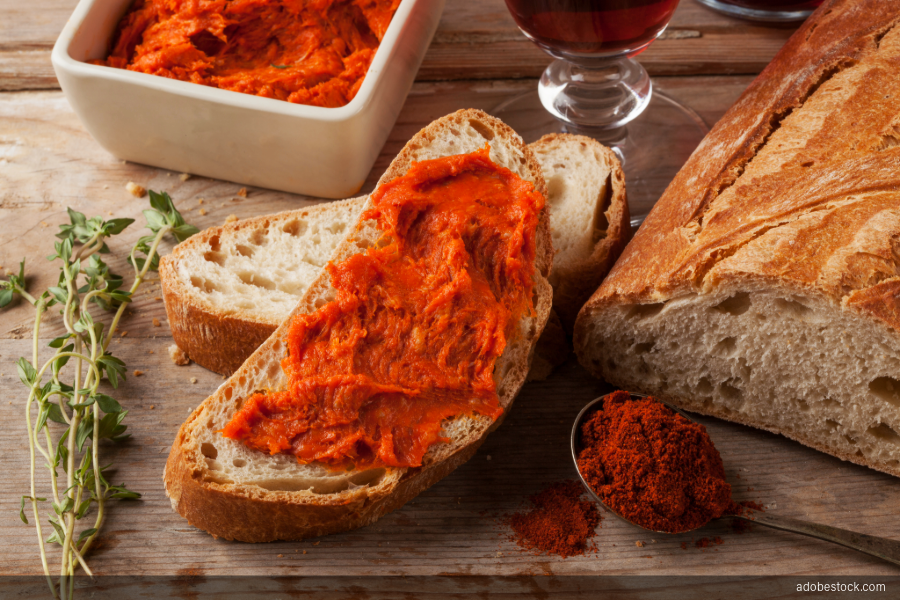
There is a moment in every cook's life when they discover an ingredient so unfairly good it feels like cheating. For me, that moment arrived on a humid afternoon in a tiny salumeria in Pizzo Calabro, where a man named Vincenzo handed me a slice of bread smeared with something the color of sunset and told me, in a dialect I barely understood, that this was the taste of his childhood. I took one bite. The fat dissolved. The chilies bloomed. And I understood, instantly, that I had been under-seasoning my entire life. That substance was 'nduja. And if you do not yet keep a jar in your refrigerator, we need to fix that.
So, what is nduja exactly?
Nduja — spelled 'nduja in Italian, pronounced en-DOO-yah — is a soft, spreadable cured pork sausage from Calabria, the toe of Italy's boot. At first glance it looks like terrine or pâté, but the texture is looser, almost buttery, and the flavor is a controlled explosion of pork fat, smoke, salt, and Calabrian chilies. It is salami you can spread with a spoon. That alone should be enough to earn it a permanent place in your kitchen.
The magic is in the ratio. Traditional 'nduja is made from fatty pork trimmings — shoulder, belly, and the good bits that do not make it into a neat salami — blended with a shocking amount of sun-dried Calabrian chilies, especially the local diavolicchio variety. The mixture is seasoned with salt, sometimes a little red wine, and then stuffed into a natural casing and lightly smoked or cured for a few weeks. The result is not hard like soppressata; it is soft, almost creamy, because the fat content is high and the curing is short. Think of it as the love child of chorizo and butter.
The village that invented fire in a tube
Like most great Italian foods, 'nduja comes from one very specific place: the town of Spilinga, perched on a cliff above the Tyrrhenian Sea in the province of Vibo Valentia. The locals will tell you, with the calm certainty of people who have never been doubted, that true 'nduja can only come from Spilinga. The rest of Calabria makes good spicy sausage, they concede, but it is not the same. There is a festival every August — the Sagra della 'Nduja — where the entire town smells like rendered pork and toasted chili, and visitors eat it on bread, on potatoes, on pizza, and straight from the knife.
The origin story is murky and wonderful. Some say Spanish conquistadors brought the chili pepper to Calabria in the sixteenth century, and local farmers, already expert in preserving pork, simply turned up the heat. Others claim 'nduja was born from poverty: the leftover trimmings of the pig, too irregular for the noble salamis, were mixed with the cheapest, most abundant local crop — chilies — and turned into something that tasted like luxury. Both stories are probably true. The best food usually is.
How 'nduja is made, step by step
Real 'nduja di Spilinga is still made by hand in small batches, and the process explains everything about the final flavor. It begins with fatty pork — usually shoulder, belly, and trim — coarsely ground so the texture stays loose. Then comes the chili: Calabrian peperoncino, often the small, ferocious diavolicchio, dried in the sun until it is almost brittle and then ground into a vivid red powder. The ratio is dramatic — chilies can make up 30% or more of the mixture, which is why 'nduja is so red, so fragrant, and so unmistakably spicy.
The meat and chili are mixed with salt and sometimes a splash of local red wine, then packed into a natural casing — traditionally hog middle, which is wider and more forgiving than the narrow casings used for hard salami. The sausages are tied by hand and hung in cool, airy rooms to cure. Unlike salami that dries for months until rock-hard, 'nduja cures for only a few weeks. The fat stays soft, the moisture stays high, and the result is that signature spreadable texture. Some producers add a light cold smoking over oak or beech, which deepens the color and adds a faint campfire note.
What does it taste like?
The first thing you taste is fat. Not greasy fat, but silky, melting fat that carries flavor the way a good olive oil does. Then comes the pork: deep, savory, slightly smoky. Then the chilies arrive, not as a slap but as a slow-building warmth that starts at the tip of your tongue and settles somewhere behind your ribs. Good 'nduja is spicy, yes, but it is never one-note. The heat is balanced by fermentation, by the sweetness of the pork, by the faint tang of curing. It is complex in the way a great aged cheese is complex: every bite teaches you something.
Texture matters too. A spoonful should slump slightly when you lift it. It should spread across warm toast without tearing the bread. When it hits a hot pan, it should melt into a vivid orange oil that perfumes the entire kitchen. If your 'nduja is dry and crumbly, you have bought an impostor. Send it back to whatever shelf it came from and try again.
Nduja vs chorizo vs sobrasada: know your spreadable sausages
People often ask whether 'nduja is just Italian chorizo. The answer is no, though they are cousins. Spanish chorizo is usually firmer, drier, and flavored with smoked paprika — pimentón — which gives it a deep red color and a smoky, almost bacon-like quality. 'Nduja uses fresh or dried Calabrian chilies, not smoked paprika, so the heat is brighter and fruitier, and the texture is far softer because it is not fully dried.
Sobrasada from Mallorca is closer: it is also a soft, spreadable pork sausage made with plenty of fat and paprika. But sobrasada is sweeter and milder, with a more uniform, paste-like texture. 'Nduja has more chili bite, more fermented funk, and a looser, almost jammy consistency. If chorizo is a red wine reduction and sobrasada is a sweet pepper purée, 'nduja is chili oil and pork fat whipped into a frenzy.
How to use nduja: the short answer is everywhere
'Nduja is the most forgiving luxury ingredient I know. Because it is already seasoned, already spiced, already rendered into its ideal state, it asks almost nothing of you. A teaspoon in a jar of marinara transforms it into something that tastes like it simmered for hours. A dollop on a pizza before baking creates pockets of spicy, porky lava. Stirred into scrambled eggs at the last second, it makes the simplest breakfast feel like a Calabrian brunch.
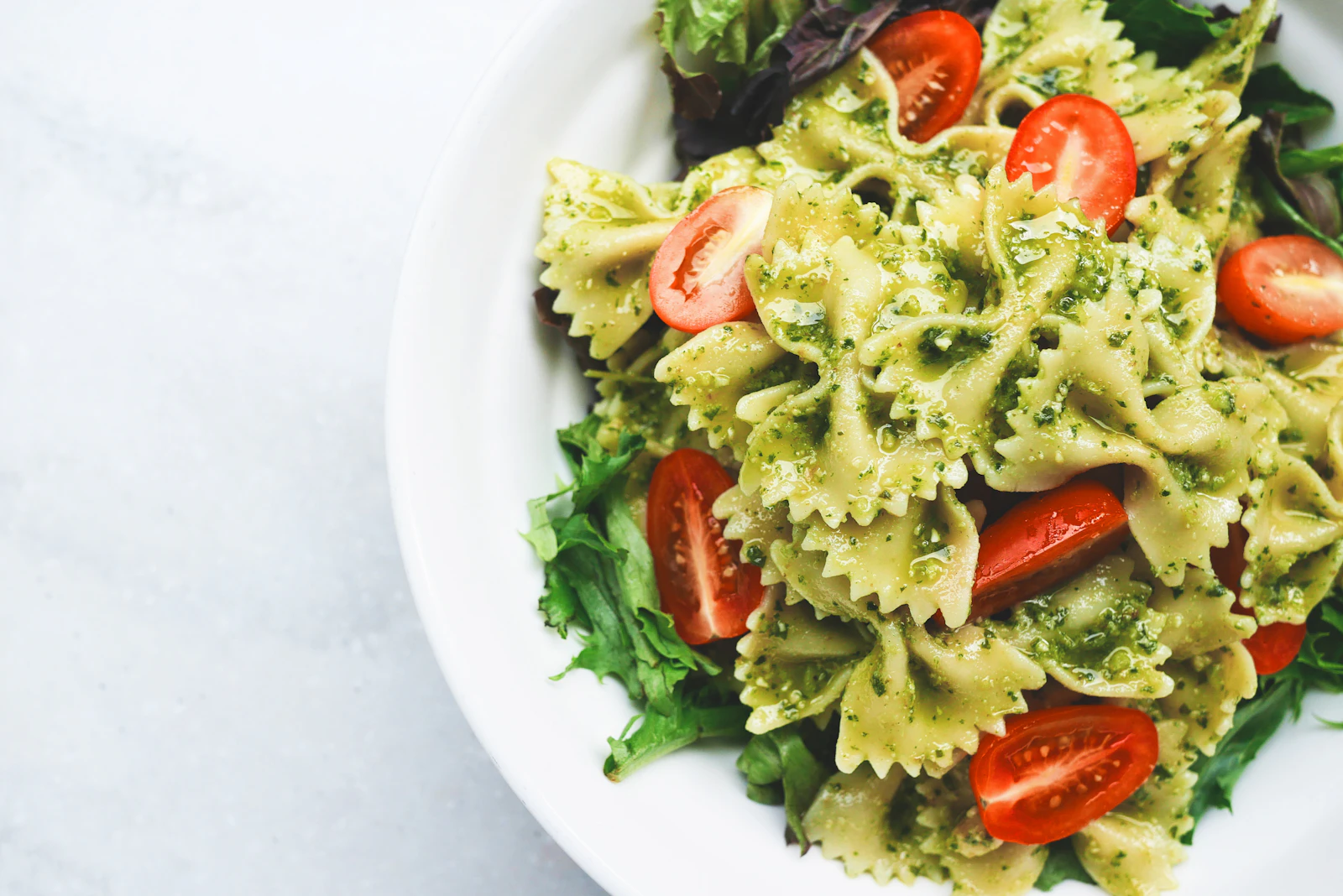
- Pasta: toss a tablespoon into a pan with olive oil, let it melt, then add garlic, cherry tomatoes, and a splash of pasta water. Finish with spaghetti or rigatoni and a snowfall of Pecorino.
- Pizza: dot small teaspoons across the dough before baking. It spreads into gorgeous orange puddles that crisp at the edges.
- Eggs: fold a little into soft scrambled eggs or shakshuka. The fat carries the heat beautifully.
- Toast: the classic. Crusty bread, 'nduja, a drizzle of honey, maybe some ricotta underneath if you are feeling civilized.
- Vegetables: roast cauliflower, potatoes, or Brussels sprouts, then toss them in a pan with a spoonful of melted 'nduja and a squeeze of lemon.
A few rules for cooking with it
First, treat 'nduja as both a fat and a seasoning. It contains enough rendered pork fat that you often do not need extra oil in the pan. Start with a small amount — it is more potent than it looks — and add more after tasting. Second, add it to heat gently. High heat can scorch the chilies and turn the fat bitter. Let it warm through and release its oil before adding other ingredients. Third, balance the richness. 'Nduja loves acid: lemon juice, tomatoes, vinegar, pickled onions. It also loves sweetness: honey, roasted peppers, caramelized onions. Think of it as a spicy, porky paintbrush, and paint accordingly.
How to say it without embarrassing yourself
The apostrophe at the front is not decorative. 'Nduja is a Calabrian dialect word, and the leading apostrophe represents a dropped vowel — much like 'o sole mio. Say it in three syllables: en-DOO-yah. The stress is on the middle syllable. Do not say en-DOO-jah, do not say nuh-DOO-zhuh, and absolutely do not call it 'ndu-ja' like a Star Wars character. If you get it wrong in front of a Calabrian, they will correct you with love. Probably.
Where to find the real thing
Good 'nduja has become easier to find in the last few years, but quality varies wildly. Look for products imported from Italy, specifically labeled 'Nduja di Spilinga' or 'Nduja Calabrese.' The ingredient list should be short: pork, fat, Calabrian chili pepper, salt, maybe red wine or natural flavorings. Avoid anything that lists sugar, paprika as the primary coloring, or a long string of preservatives. The color should be deep red-orange, not neon. The texture should be soft enough to spread.
How to store 'nduja and how long it lasts
A whole, unopened 'nduja will keep for several months in a cool, dark pantry thanks to its salt, fat, and chili content — all natural preservatives. Once you cut into it, the clock changes. Wrap the cut end tightly in parchment paper, then in plastic wrap or foil, and store it in the refrigerator. It will stay good for three to four weeks, though the surface may dry slightly. If a thin, pale film forms, trim it away; the interior will still be vibrant.
For longer storage, you can portion 'nduja into small balls, freeze them on a tray, then transfer to a freezer bag. Frozen 'nduja keeps for up to three months. The texture softens a little after thawing, but it is still perfect for melting into sauces. Always let cold 'nduja come to room temperature for ten minutes before using, or warm it gently in the pan — cold fat does not spread.
What to drink with 'nduja
The classic Calabrian pairing is Cirò Rosso, a local red made from Gaglioppo grapes. It is earthy, slightly herbal, and has just enough tannin to stand up to the chili without fighting it. If you cannot find Cirò, reach for a young, fruity red with low tannin and good acidity — a Cerasuolo d'Abruzzo, a light Etna Rosso, or even a chilled Lambrusco. The goal is refreshment, not heaviness.
For white-wine lovers, a softly aromatic Greco di Bianco or an off-dry Riesling can be magical — the slight sweetness cools the palate and the acidity cuts the fat. Beer works too: a crisp pilsner or a lightly bitter amber ale. And if all else fails, cold water. There is no shame in cold water when the 'nduja is doing its job.
Three quick wins for beginners
The midnight pasta
Boil spaghetti. While it cooks, warm two tablespoons of 'nduja in a little olive oil with a crushed garlic clove. Add a splash of pasta water to emulsify. Toss the drained pasta in the pan, finish with grated Pecorino and chopped parsley. Total time: twelve minutes. Restaurant-level satisfaction: absolute.
The lazy toast
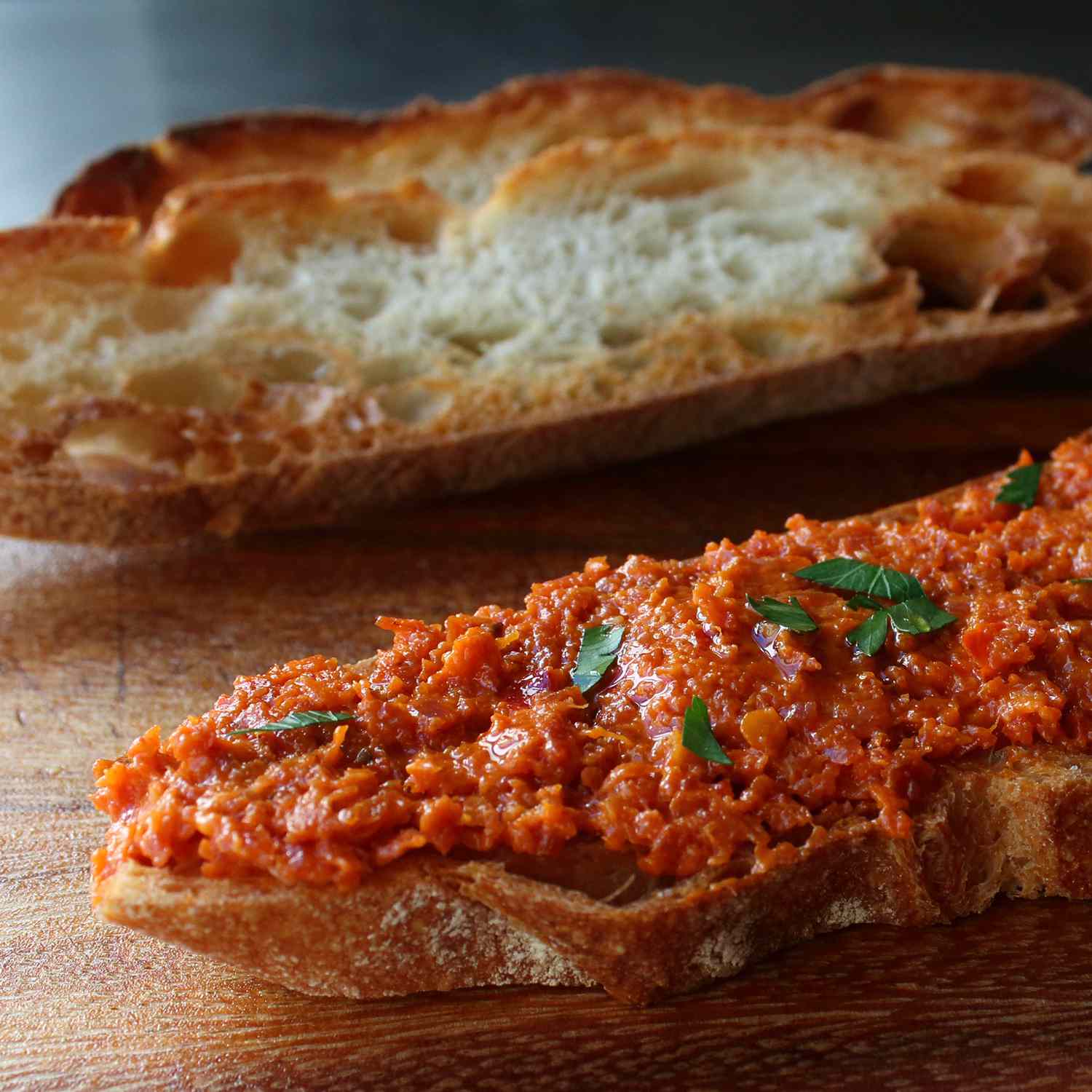
Toast a thick slice of sourdough. Spread with fresh ricotta, then dot with 'nduja. Drizzle with honey and finish with flaky salt. Eat standing up at the kitchen counter. This is not a snack; it is a mood.
The roasted vegetable upgrade
Toss cubed potatoes and red onions with olive oil and roast at 425°F until crisp. In the last five minutes, add a few teaspoons of 'nduja broken into small pieces. The heat will render it into the potatoes. Finish with lemon zest and mint. You will never look at a roasted potato the same way.
The biggest mistakes home cooks make
- Too much, too fast. 'Nduja is concentrated. Start with a tablespoon, taste, then add more.
- High heat. It scorches the chilies and turns the fat acrid. Medium or medium-low is your friend.
- No acid. A squeeze of lemon or a splash of wine transforms the richness into something bright.
- Buying the wrong product. If it is hard, dry, or neon red, it is not the real thing.
- Forgetting it is already salty. Taste before adding extra salt to a dish.
Why it belongs in your pantry
'Nduja is the rare ingredient that makes you a better cook without making you work harder. It carries its own fat, its own spice, its own depth. It rescues bland sauces, elevates simple carbohydrates, and turns a Tuesday night into something worth talking about. It is also a conversation piece: guests will ask what that glorious orange heat is, and you will get to tell them about a cliffside town in Calabria where people have been making it for centuries.
"'Nduja is not a condiment. It is a little jar of Calabrian sunshine, ready to set your dinner on fire."
So the next time you are staring into the refrigerator wondering what to make, reach past the half-empty jars and find the 'nduja. Melt a spoonful. Add pasta. Add eggs. Add bread. Add almost anything. And remember: the best ingredients do not demand technique. They demand only that you use them.
Ready to cook? Browse our complete collection of 'nduja recipes, from the classic Fileja alla 'Nduja to quick weeknight pastas.
Browse 'nduja recipes