The 5 Best Chicken Pasta Recipes for Every Kind of Night
From creamy Alfredo to elegant Marsala: the only chicken pasta recipes you need, with the techniques that make each one unforgettable.
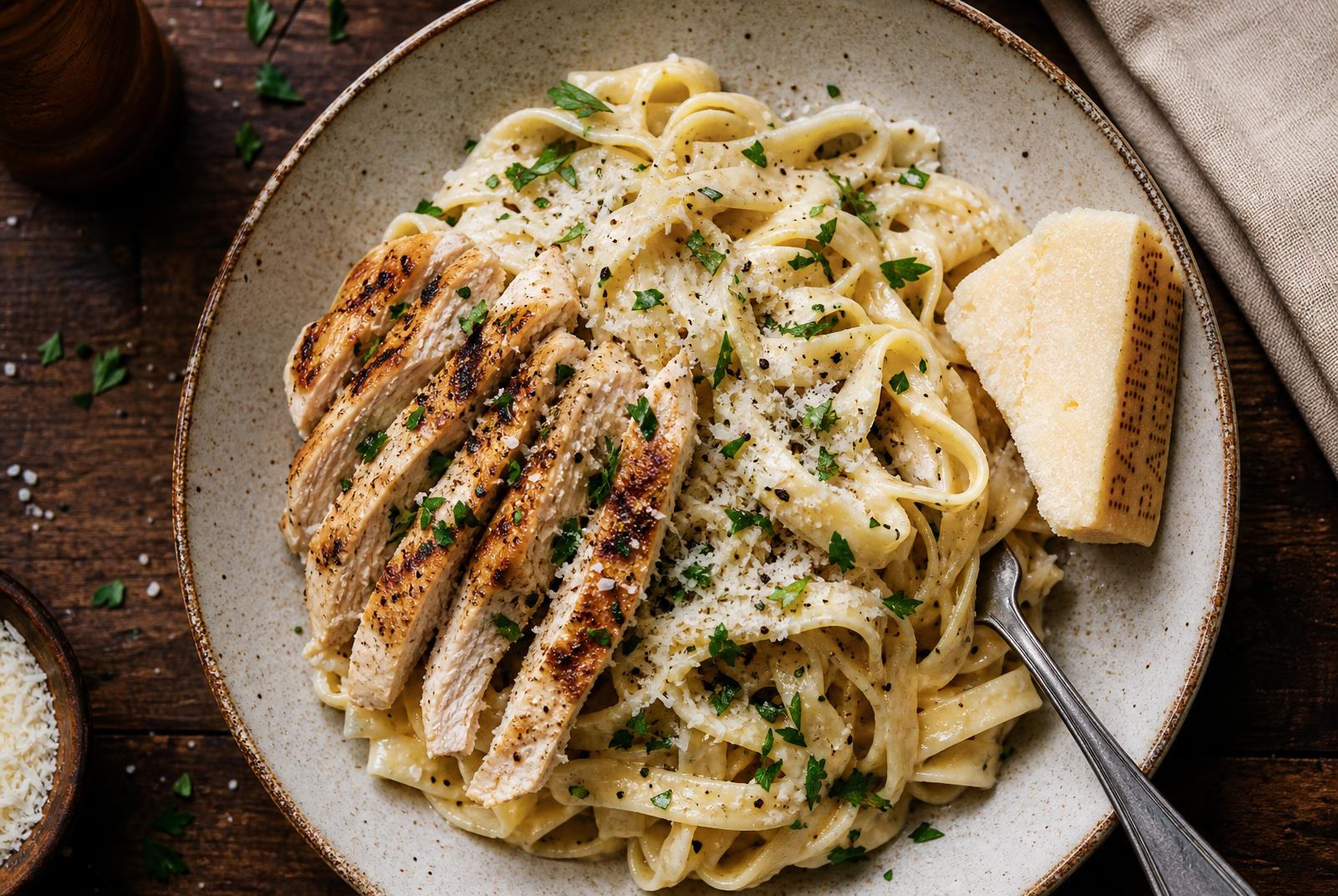
Chicken and pasta are the two most forgiving ingredients in a home kitchen, which is exactly why so many people ruin them. The combination feels safe — boil noodles, sear chicken, pour something creamy or red on top — and that safety makes cooks lazy. They overcook the bird until it squeaks. They drown the pasta in sauce until it forgets it ever had a backbone. They reach for jars instead of building flavor in the pan. The result is not dinner; it is a beige apology.
Done well, though, chicken pasta is one of the great weeknight triumphs. It is fast enough for Tuesday, elegant enough for Saturday, and cheap enough that you can feed a table of four for the price of two restaurant mains. The secret is treating each recipe as a small lesson in technique: how to emulsify butter and cheese, how to keep a breadcrumb crust crisp, how to balance cream with acid, how to let a single herb do the heavy lifting, how to reduce wine until it becomes sauce instead of soup. The five recipes below are not random crowd-pleasers. They are a curriculum. Master them and you will stop searching the internet for 'easy chicken pasta' because you will already know the answer.
1. Chicken Alfredo: the comfort classic that demands respect
Alfredo is the dish that proves simplicity is harder than it looks. The original Roman version — fettuccine, butter, Parmigiano Reggiano — contains no cream, no garlic, no chicken. It was an emulsion built tableside by Alfredo di Lelio in 1908, and it depended entirely on timing, temperature, and wrist action. American Alfredo added cream and chicken and turned it into a comfort-food staple, which is fine, as long as you understand that the cream is a safety net, not the star.
The technique that separates a silky Alfredo from a broken, oily one is heat discipline. You finish the pasta off the heat. You add cold butter in cubes and whisk until it melts into a glossy sheen. You rain in finely grated Parmigiano a little at a time, tossing constantly, and you use starchy pasta water to bind everything into a sauce that clings instead of pools. The chicken should be seared hard so it brings color and savor to the bowl, then sliced against the grain so every bite is tender. If your Alfredo ever tastes like melted butter with cheese floating in it, the pan was too hot.
Make the silkiest Chicken Alfredo with our full recipe, timing, and wine pairings.
Make Chicken Alfredo2. Chicken Parmesan Pasta: the restaurant favorite, deconstructed
Chicken parmigiana is an Italian-American invention descended from Neapolitan melanzane alla parmigiana, where slices of fried aubergine were layered with tomato and cheese until molten. At some point in New York or Philadelphia, the aubergine became a breaded chicken cutlet, and the dish became a menu staple. The problem with restaurant chicken parm is that by the time it reaches your table, the breadcrumb crust has surrendered to the sauce and the cheese has cooled into a rubbery sheet.
The fix is to fold the cutlets into the pasta at the last possible second. You fry them crisp, drain them on a wire rack so air circulates underneath, slice them into thick fingers, and lay them over the sauced pasta just before the final broil. The mozzarella goes on top, the Parmigiano follows, and the whole pan spends three minutes under intense heat so the cheese blisters but the crust survives. Eaten immediately, you get the crackle of breadcrumb, the pull of melted cheese, and the tang of San Marzano tomato all in one bite. That contrast is the entire point.
Get the breading station, sauce timing, and crisp-cutlet secrets for Chicken Parmesan Pasta.
Make Chicken Parmesan Pasta3. Creamy Tuscan Chicken Pasta: the date-night workhorse
This is the recipe for the night you want to look like you tried without actually trying very hard. It builds a sauce from garlic, sun-dried tomatoes, cream, and a splash of chicken stock, then wilts spinach through the pasta at the last moment so the green stays bright and vegetal. The trick is the oil from the sun-dried tomato jar. Do not throw it away. It is concentrated umami, the best free ingredient in your refrigerator, and it carries the tomato flavor into the cream before the spinach ever hits the pan.
What makes the dish feel restaurant-quality instead of cafeteria-quality is balance. Cream without acid becomes heavy fast, so a little lemon zest at the end lifts the whole bowl. Spinach added too early turns khaki and weeps water into the sauce, so it goes in with the pasta and collapses in the residual heat. And the chicken is sliced into strips and seared in a single layer — crowding the pan is the fastest way to turn golden chicken into steamed chicken. Get these three things right and the recipe practically cooks itself.
Cook Creamy Tuscan Chicken Pasta with our step-by-step timing and wine suggestions.
Make Creamy Tuscan Chicken Pasta4. Chicken Pesto Pasta: the brightest bowl in the lineup
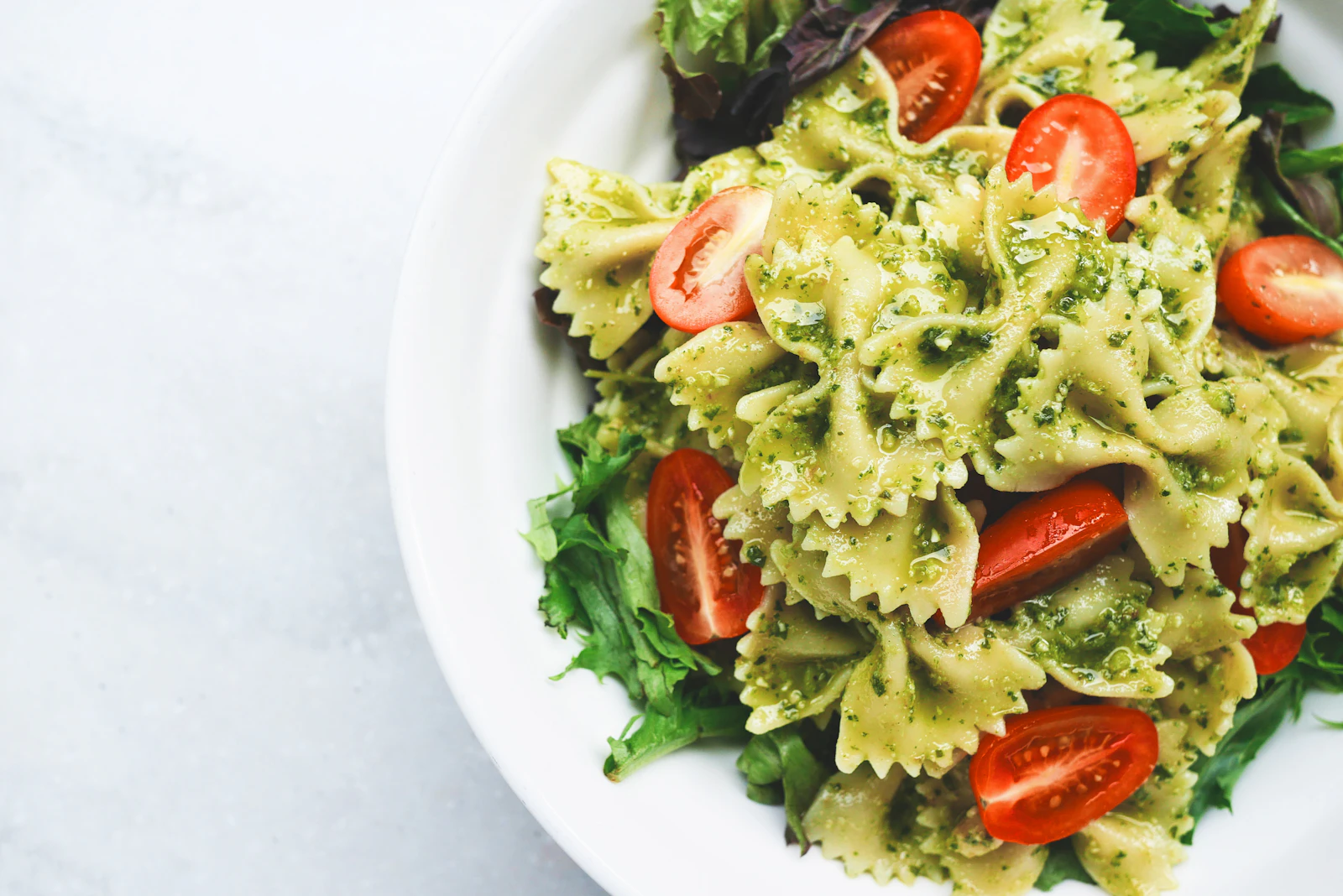
Pesto is a Ligurian sauce of basil, pine nuts, garlic, Parmigiano, Pecorino, and olive oil, traditionally pounded in a mortar until it looks like velvet. The mortar matters less than the ratios: too much garlic and it bites, too much cheese and it clumps, too much oil and it swims. When you toss it with pasta and grilled chicken, the dish becomes a study in freshness. It should taste like a garden, not like a jar of green mayonnaise.
The best pasta for pesto is a shape with curves or ridges that trap the sauce — fusilli, trofie, casarecce. The chicken should be seasoned simply and grilled or seared so it has char but does not compete with the basil. Cherry tomatoes, blistered in the same pan, add acid and sweetness. Toasted pine nuts on top provide crunch. And because pesto can be rich, a little pasta water and a final drizzle of good olive oil turn the bowl glossy instead of pasty. This is the recipe to make when it is hot outside and you do not want to turn on the oven.
Make fresh Chicken Pesto Pasta with blistered tomatoes and toasted pine nuts.
Make Chicken Pesto Pasta5. Chicken Marsala Pasta: the dinner-party showpiece
Marsala is a fortified wine from Sicily with a deep, caramelized flavor that turns cream, mushrooms, and shallots into something far greater than the sum of its parts. Chicken Marsala is usually served over pasta on the side, but here the pasta is tossed directly in the sauce so every strand carries the wine. The result is elegant, earthy, and slightly sweet — the kind of dish that makes people think you trained somewhere.
The technique is reduction. You sear the chicken, remove it, then cook the mushrooms until they give up their water and start to brown. Shallots and garlic follow, then the Marsala goes in and bubbles until it has reduced by half and smells like caramel and walnuts. A little cream or butter at the end rounds the edges, and the pasta finishes in the pan with a splash of stock. The chicken is sliced and laid on top so it stays tender, and a scatter of parsley at the end keeps the dish from feeling too brown. This is the recipe for when you want to impress without stress.
Cook elegant Chicken Marsala Pasta with mushrooms, shallots, and reduced Marsala wine.
Make Chicken Marsala PastaHow to choose which one to make tonight
- Craving pure comfort with minimal ingredients? Chicken Alfredo.
- Want crispy, cheesy, red-sauce satisfaction? Chicken Parmesan Pasta.
- Need something creamy but fresh, fast but impressive? Creamy Tuscan Chicken Pasta.
- Hot night, fresh basil, no oven? Chicken Pesto Pasta.
- Guests are coming and you want to look like a hero? Chicken Marsala Pasta.
The mistakes every chicken pasta cook makes
- Overcooking the chicken. Breast dries past 74°C; thighs are more forgiving at 75°C.
- Not seasoning the pasta water. It should taste like the sea, or the noodles will taste like nothing.
- Draining pasta too early or too late. Cook it one minute shy of al dente and finish it in the sauce.
- Skipping the pasta water. That starchy liquid is the glue that turns sauce and noodles into one dish.
- Adding cold chicken to hot sauce. Let it rest, then slice and fold it in at the end so it stays juicy.
Why these five recipes are enough
Together, these five dishes cover the full range of chicken pasta. You have cream sauce, red sauce, wine sauce, herb sauce, and the baked-cheese indulgence of parmigiana. You have weeknight speed and weekend elegance. You have techniques that transfer to a hundred other dishes: emulsification, breading and frying, reduction, wilting greens, building a pan sauce. Learn them once and you will improvise forever.
"Chicken pasta is not a fallback. It is a canvas. The quality of your dinner depends on whether you treat it like one."
So pick the recipe that matches your mood, read it once before you start, and cook with intention. The chicken will be juicier. The pasta will be firmer. The sauce will cling instead of slide. And you will understand why these five recipes belong in every home cook's permanent rotation.
Explore the full Pesto Pastaria recipe library for more Italian-American and regional Italian dishes.
Browse all recipes